01 · ⚠️ Never run a gas generator indoors
Not in an apartment, not in a garage, not on a covered balcony. Carbon monoxide from a portable generator kills people every year, and it is odorless. A battery power station is the indoor-safe version — no combustion, no exhaust, no fumes.
02 · Watts start it, watt-hours run it
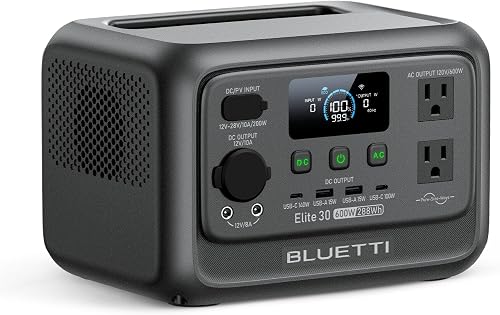
Two different numbers and both matter. Watts (W) is whether it can turn the thing on — a fridge compressor needs a big surge. Watt-hours (Wh) is how long it lasts after that. A 288Wh/600W unit will not start a fridge no matter how long you wait.
03 · What do you actually need to keep on?
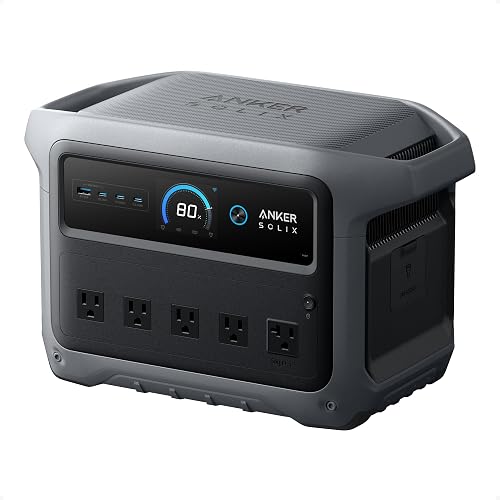
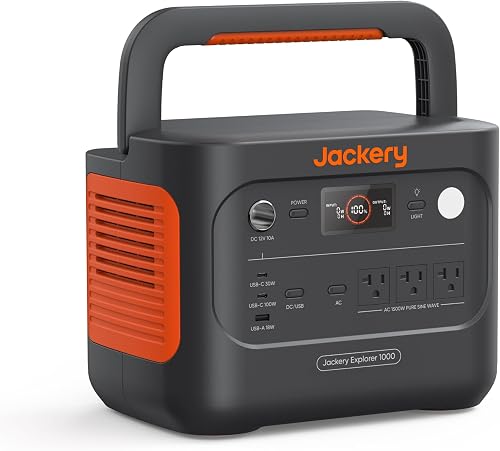
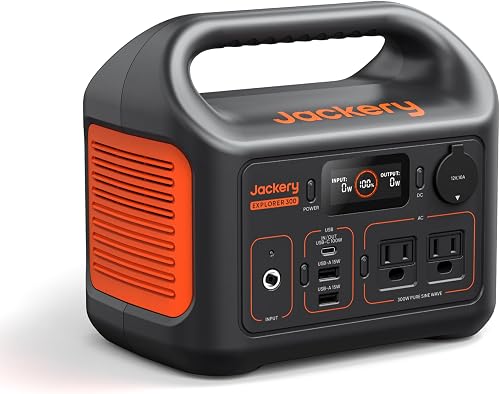
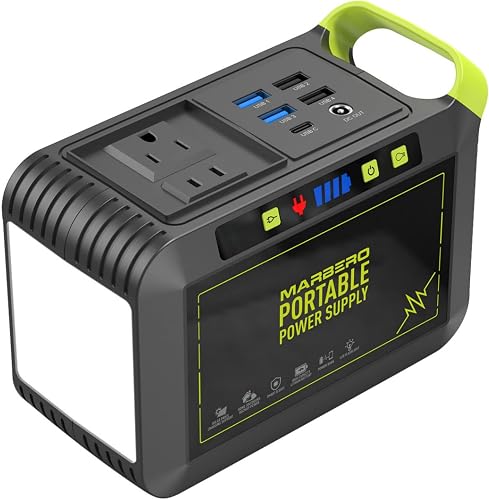
Be honest before you spend. Phones, router and a lamp → the Explorer 300 or the MARBERO. Fridge, so the groceries survive → you need 1,000Wh and 2,000W, which means the C1000 or the Explorer 1000. Medical equipment → size up and ask the manufacturer for the real draw.
04 · LiFePO4 is worth asking about
Most picks here use LiFePO4 cells instead of standard lithium-ion. They handle thousands of charge cycles instead of hundreds, and they are more heat-tolerant. For something that sits fully charged for a year waiting on a storm, that longevity is the whole point.
05 · Charge it on a schedule
The most common failure is a dead backup battery. Set a reminder to top it off every few months — a smart plug and a calendar alert will do it. A power station at 4% during an outage is a heavy box.