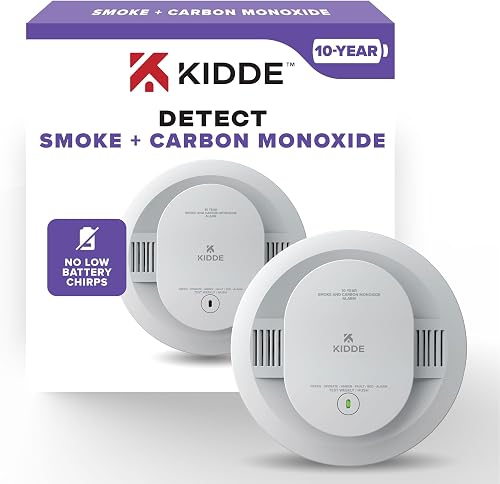
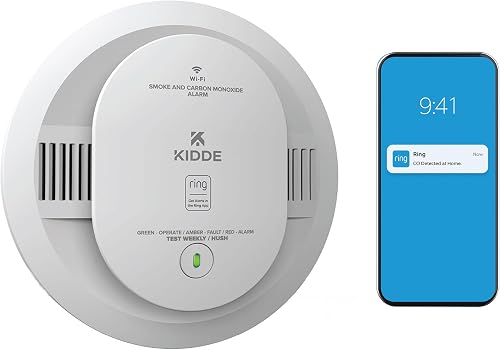
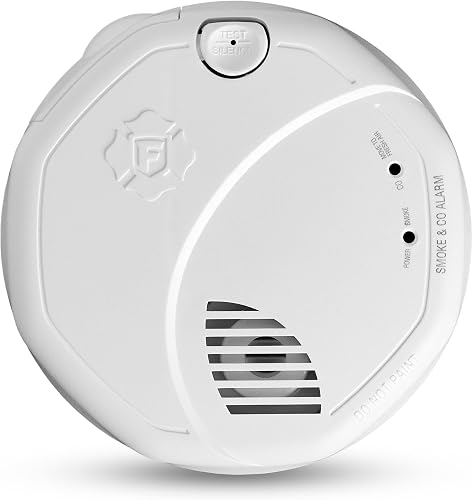
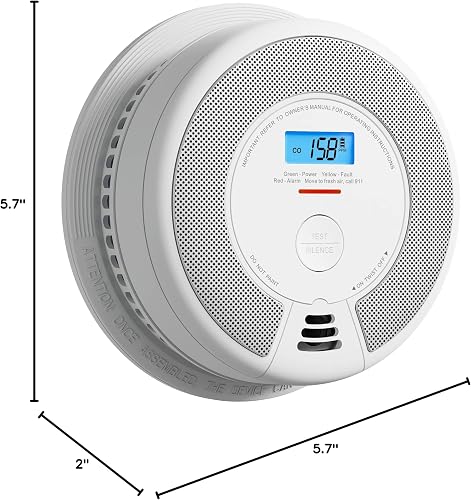
01 · ⚠️ Add to your landlord's alarms — never remove them
If your unit has hardwired or interconnected alarms, those are almost certainly required by code and they are not yours to take down. Disabling one can void a lease and, far worse, take out the interconnected alarm that would have woken the whole building. Everything on this page is an addition, not a replacement.
02 · These expire, and almost nobody knows it
The sensors degrade whether the alarm ever goes off or not. Smoke alarms are generally replaced at 10 years from the manufacture date, and CO alarms sooner — commonly 5 to 10 years depending on the unit. Check the date printed on the back, and go by what the manufacturer states for your specific model. An expired detector looks and beeps exactly like a working one.
03 · Where they actually go
General guidance is a smoke alarm inside every bedroom, outside each separate sleeping area, and on every level of the home. CO alarms go outside each sleeping area and on every level. Your local code may require more — it rarely requires less.
04 · Why carbon monoxide is the one people skip
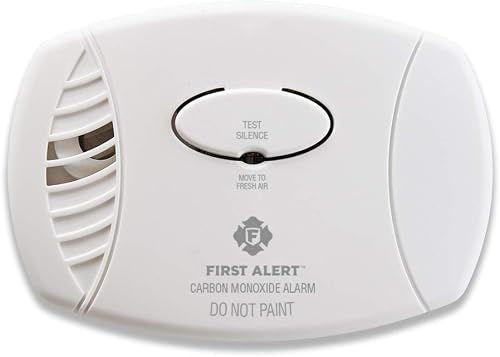
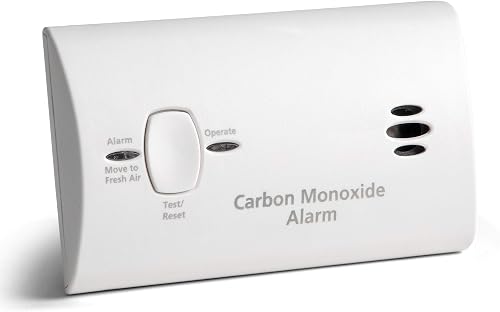
You cannot see it, smell it or taste it, and the early symptoms read like the flu. That is the entire danger — there is no version of noticing it yourself. Risk goes up with gas appliances, an attached garage, or any fuel-burning heater. If your place has any of those and no CO alarm, that is the gap to close first.
05 · Test them monthly, and mean it
Press the button once a month. It takes five seconds and it is the only way to know the thing on your ceiling is still a working alarm rather than a plastic disc.
06 · This page is not a substitute for your fire department
We picked products; we are not safety inspectors. If your alarm sounds, get out first and call from outside. Many fire departments will advise on placement for free, and some will supply alarms outright — worth a phone call before you order anything.